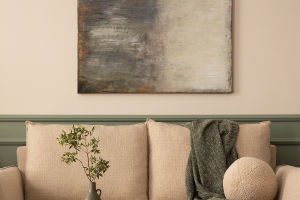
Walking into a living room, the armchair often becomes the centerpiece, offering comfort and style at the same time. Yet many homeowners wonder how to pair it effectively with the rest of the room.
Matching a chair isn't just about color—it's about texture, proportion, and creating a harmonious visual flow.
Balancing Colors and Patterns
1. Complementary tones – Choose colors that harmonize with your existing furniture. For example, if your sofa is a muted gray, a soft pastel chair can brighten the room without clashing.
2. Pattern play – Mixing solid and patterned pieces adds visual interest. A floral or geometric chair next to a plain sofa can create a lively focal point. Keep at least one color consistent to tie the pieces together.
3. Accent pieces – Introduce cushions, throws, or rugs that echo the chair's tones to unify the space. For instance, a navy armchair paired with cushions that have hints of navy, cream, and gold will feel intentional rather than random.
Mixing Textures for Depth
1. Fabric contrasts – Combine leather with soft velvet or cotton to add richness. A leather chair next to a linen sofa brings sophistication and tactility.
2. Natural elements – Wooden or rattan chairs pair beautifully with soft upholstery. A cane-backed chair next to a plush armchair creates contrast and highlights the different materials.
3. Layered surfaces – Consider adding side tables or ottomans with varied finishes. For instance, a metallic table beside a textured chair enhances dimension without overcrowding the room.
Considering Size and Proportion
1. Scale with the sofa – Ensure the chair's height complements your main seating. A too-large chair can overpower a delicate sofa, while a tiny accent chair might look lost.
2. Maintain spacing – Leave enough space for movement; ideally, at least 50–60 cm between pieces. This not only improves flow but prevents the room from feeling cramped.
3. Create conversation areas – Arrange chairs in pairs or clusters around coffee tables. A small reading nook can be formed by placing a single armchair next to a lamp and side table, enhancing both function and aesthetics.
Functional Considerations
1. Purpose first – Decide whether the chair is for lounging, reading, or occasional seating. Recliners and deep-seated chairs suit relaxation, while upright designs are ideal for social areas.
2. Mobility and flexibility – Lightweight chairs can be moved for gatherings, while heavier, statement pieces anchor a room. For example, a swivel chair can serve multiple functions in a compact space.
3. Comfort details – Don't overlook cushions, lumbar support, or footrests. A well-cushioned chair invites longer use, turning the seating into a favorite spot rather than just a visual addition.
Style Cohesion
1. Theme alignment – Match chairs with the room's overall style. A mid-century modern chair pairs naturally with clean lines and wooden furniture, whereas a tufted armchair suits traditional interiors.
2. Visual rhythm – Repeat elements like color, shape, or leg style to create flow. For instance, chairs with similar wooden legs to your coffee table tie the room together subtly.
3. Unexpected accents – Occasionally, a bold chair in a contrasting style can serve as a statement piece. A bright orange chair in a neutral setting can energize the room if balanced with accessories like cushions or wall art.
Practical Examples
1. Cozy reading corner – Place a soft fabric armchair beside a small bookshelf and a floor lamp. Add a knitted throw and a side table for drinks and books.
2. Living room pairings – Pair a leather armchair with a neutral sofa, a wooden coffee table, and a patterned rug. Add cushions that echo the chair's tone for cohesion.
3. Multi-purpose seating – In an open-plan space, use swivel chairs or lightweight accent chairs that can move between the living and dining areas. This allows flexibility for social gatherings.
Choosing the right combination for your armchair doesn't have to be daunting. By considering color, texture, proportion, and purpose, your seating can enhance both comfort and style. Experiment with layers, accent pieces, and practical layouts until the room feels balanced. A thoughtfully paired armchair becomes more than furniture—it turns into a cozy retreat and a visual anchor, inviting everyone to linger, relax, and enjoy the space.