Walking through a garden in spring, you might notice buds swelling overnight or leaves unfurling almost magically with the warmth.
It's easy to think plants are passive, but they're keen observers of time, light, and temperature, adjusting their growth and behavior to match the seasons.
Understanding how they perceive these changes can give gardeners practical insights into plant care and timing.
Photoperiod: Plants Reading the Light
Plants often use the length of day and night—known as the photoperiod—to decide when to flower, shed leaves, or slow growth. This is controlled by light-sensitive molecules called phytochromes.
Flowering timing: Many plants bloom only when days reach a certain length. For example, some daisies wait for long days to open fully, while chrysanthemums respond to shorter days.
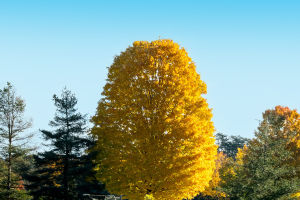
Leaf shedding: Deciduous trees sense shortening days and start preparing for dormancy by slowing photosynthesis and triggering leaf color changes.
Practical tip: Gardeners can manipulate indoor plant lighting to encourage or delay flowering. Using grow lights for longer hours can make short-day plants bloom off-season.
Temperature Signals: Feeling the Season
Besides light, plants detect temperature changes, which influence growth rates and dormancy. Some seeds need a cold period, called stratification, to germinate.
Breaking dormancy: Many bulbs like tulips require a cold winter to start spring growth. Without it, they may sprout weakly or not at all.
Cold tolerance: Perennials can harden their tissues in response to falling temperatures, preventing frost damage.
Practical tip: For sensitive plants, gardeners can simulate seasonal cues with refrigeration or mulch to mimic natural winter conditions.
Hormonal Responses: Internal Timekeepers
Plants translate seasonal cues into hormonal signals, adjusting growth, reproduction, and defense mechanisms. Auxins, gibberellins, and abscisic acid play major roles.
Growth regulation: As days shorten, abscisic acid levels rise in leaves, signaling the plant to conserve energy and reduce water loss.
Flower induction: Gibberellins help trigger flowering once light and temperature thresholds are met.
Practical tip: Foliar sprays containing growth regulators can assist in synchronizing flowering in controlled environments like greenhouses.
Adaptive Strategies: Surviving Seasonal Shifts
Seasonal changes aren't just a cue for reproduction—they also trigger protective strategies. Plants adjust leaf size, cuticle thickness, and even root growth to cope with different conditions.
Leaf adaptations: In dry or cold seasons, leaves may become thicker or smaller to reduce water loss and damage.
Root adjustments: Roots may grow deeper to access water during dry months or store nutrients before dormancy.
Practical tip: Observing these natural shifts can guide watering and fertilization schedules to align with a plant's seasonal needs.
Environmental Synchronization: Timing with the Ecosystem
Plants don't exist in isolation—they align their seasonal behaviors with pollinators, herbivores, and other plants. This timing ensures survival and reproduction.
Pollinator alignment: Flowering periods match the activity of bees, butterflies, or other pollinators for efficient reproduction.
Seed dispersal: Fruits may ripen when conditions favor seed spread, like dry winds or migrating birds.
Practical tip: Planting species with staggered flowering times can support local pollinators and enhance garden biodiversity.
Watching plants respond to the invisible cues of light, temperature, and hormones can change the way you approach gardening. By syncing care practices with their natural rhythms, you're not just tending plants—you're participating in a seasonal dialogue that has been refined for millennia. Observing these shifts can turn simple gardening into a mindful, rewarding experience where every bloom and leaf tells a story of survival and adaptation.