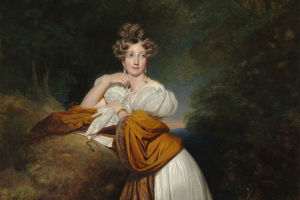
If you've scrolled through some social media platforms lately, you've probably noticed dreamy watercolor portraits flooding your feed — hazy florals, moody skies, and delicate brush textures that look straight out of a studio. But here's the twist: many of these artworks weren't created with paper and paint.
They were made using AI-assisted watercolor apps like Aquarellia and FluidInk, tools that combine neural algorithms with human brushwork to reinvent how people create art.
For Gen Z, these apps aren't just digital toys — they're redefining what creativity means in the era of collaboration between humans and machines.
A. Turning Algorithms into Paintbrushes
Unlike traditional art software that relies on pre-made filters, AI watercolor apps mimic real pigment diffusion — the way color bleeds, merges, and reacts to light on textured paper. Artists upload a sketch or photo, and the app's AI predicts brushstroke behavior to recreate that hand-painted look.
1. Aquarellia: This app allows users to sketch with their finger or stylus, then the AI "paints" over it, blending tones naturally like real water and pigment. The result looks stunningly organic — subtle gradients, imperfect edges, and soft transitions that used to take hours by hand.
2. FluidInk: Known for its "smart watercolor mode," FluidInk lets users adjust water density and pigment spread in real time. You can even set how much the paint should "bloom" — just like dipping a wet brush into fresh color.
3. Real-time collaboration: Some creators paint alongside the AI, guiding it step by step. It's almost like a duet — one partner brings intuition, the other brings precision.
The key isn't replacing creativity; it's amplifying it. Artists use these tools to experiment faster and push boundaries without wasting materials or time.
B. How Gen Z Artists Are Changing the Game
Gen Z creators grew up in a world where digital and physical art blend seamlessly. They see AI not as competition, but as a collaborator. Platforms are full of young artists sharing techniques, remixing prompts, and discussing ethical creation.
1. Breaking entry barriers: Traditional watercolor requires tools, paper, and lots of practice. With AI, anyone can start exploring — students, designers, or hobbyists can experiment without buying expensive art supplies.
2. Faster learning curve: The apps analyze user patterns, giving subtle tips like "try less water here" or "add contrast on the edges." It's like having a personal tutor built into your canvas.
3. Social media synergy: Gen Z thrives on shareable content. The apps export process videos, showing how the artwork evolves from sketch to finished piece — perfect for short-form platforms.
These AI tools make watercolor painting feel approachable, interactive, and endlessly remixable — a natural fit for a generation that values both creativity and tech fluency.
C. The New Workflow: From Screen to Paper
Interestingly, many artists still bring their AI-assisted designs back into the physical world. Some use their digital paintings as references for real watercolor prints, while others transfer them onto handmade paper to reintroduce texture and imperfection.
1. Digital-to-analog printing: Artists print their AI designs with archival ink, then layer real watercolor on top to give depth and personal touch.
2. Texture scanning: Apps now let users scan watercolor paper textures and incorporate them into their digital canvases — blending the charm of handcraft with the control of pixels.
3. Hybrid exhibitions: Lisbon's "Digital Canvas Collective" recently featured an exhibit where each piece paired an AI-generated version with its real painted counterpart — showing how human intuition and machine precision can coexist beautifully.
This blending of digital and physical mediums creates a fresh kind of authenticity — not about "real" or "fake," but about creative evolution.
D. The Emotional Shift Behind the Trend
For many young artists, watercolor's emotional appeal lies in its unpredictability — and AI surprisingly preserves that. Instead of rigidly controlling the outcome, the technology mimics organic randomness. The result? A perfect balance between chaos and control.
1. Less perfection pressure: AI-guided watercolor allows artists to explore freely without fear of "ruining" a piece.
2. Mindful creation: Watching pigment spread digitally becomes meditative — users describe it as a form of stress relief and creative mindfulness.
3. Shared creativity: Communities built around these apps focus less on "skill level" and more on storytelling — what emotions the artwork evokes, rather than how perfect the brushwork looks.
It's not just art creation; it's emotional connection powered by algorithms.
When Technology Becomes the Canvas
AI-assisted watercolor isn't replacing human creativity — it's redefining the canvas. For Gen Z, painting is no longer limited to brushes, water, and paper; it's an interactive dialogue with technology that listens, learns, and adapts.
Next time you see a watercolor portrait glowing on your screen, remember: it might be half human, half algorithm — and entirely original. The beauty lies not in choosing between tech or tradition, but in blending both to tell new visual stories.
Because when art and AI meet, the canvas doesn't just expand — it evolves.