There's something a room with only new furniture can never fully have — that layered, collected-over-time quality that makes a space feel genuinely lived in.
Adding a few well-chosen vintage pieces is one of the most effective ways to get there.
Start with One Statement Piece
The cleanest approach is anchoring the room with a single vintage statement — an old wooden trunk used as a coffee table, a classic armchair with a worn leather patina, an ornate gilded mirror against a plain wall, or an antique credenza beneath a modern TV.
Build from there, keeping newer pieces simple so the vintage item gets the attention it deserves. The contrast between the old piece and its modern surroundings is actually what makes both look better. A good rule of thumb: if a piece makes visitors pause and ask about it, it's doing its job.
The 80/20 Balance
Going all-vintage can tip into museum territory, where a room feels frozen in time rather than personal and alive. Most designers suggest an 80/20 split — either 80% modern with 20% vintage accents, or the reverse if you're building around inherited or collected pieces. Either way, contrast is what keeps the look fresh. Vintage items are the seasoning, not the whole dish.
Mix Eras Without Overthinking It
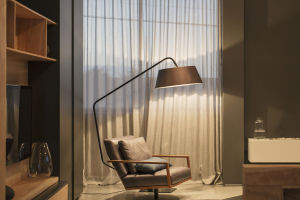
Vintage doesn't mean you need to stick to one decade. A 1950s armchair alongside a 1970s floor lamp and a contemporary sofa can work beautifully as long as there's a common thread — a shared color, a similar material, or a consistent level of quality.
Proportion also matters: a Victorian-era armchair that's slightly oversized can look awkward in a compact modern room, while a mid-century side table tends to slip into almost any contemporary space without effort.
Use Textiles to Create Harmony
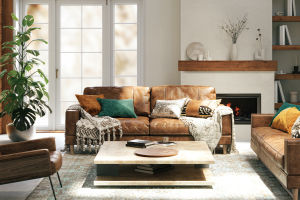
One of the easiest ways to help vintage and modern pieces coexist is through textiles. A new silk cushion on a distressed leather chair, a vintage Persian rug anchoring modern seating, a handwoven throw over a clean-lined sofa — these soft layers create visual continuity between items from different eras. If a vintage piece feels out of place, sometimes a new cushion or a change of fabric is all it needs.
Let Imperfections Stay
The patina, the slight wobble, the faded finish — these are features, not flaws. Don't sand down or refinish vintage pieces to look new. The wear and craft detail is what makes them interesting alongside modern items.
An old typewriter on a shelf, a stack of vintage vinyl next to a modern record player, an amber glass bottle collection in a kitchen — small touches like these tell a story that flat-pack furniture simply cannot. The best vintage-modern rooms aren't designed to look old. They're designed to look personal.