As the cold season arrives, many of us feel excited about heading into snowy landscapes and enjoying outdoor winter activities.
Skiing brings energy, fun, and a refreshing sense of freedom. At the same time, we also need to stay aware of safety so that every moment on the slope feels smooth and secure.
Before we step into the snow world, it is important that we prepare carefully, understand the environment, and follow simple but effective safety habits. In this guide, we will walk through practical steps that help us enjoy skiing with more confidence and comfort.
Checking Conditions Before We Go
Before any trip, we should always check updated information about weather, snowfall, and visibility through official sources. Weather in mountain areas can change quickly, so planning ahead helps us avoid unsafe conditions such as strong winds, heavy snow, or thick fog.
We also need to confirm transport conditions along the way. If roads or access routes are affected, it is better to adjust our schedule rather than take unnecessary risks. Good planning is the first step toward a safe skiing experience.
Choosing Safe and Proper Ski Areas
We should always select well-managed ski locations with proper facilities and clear safety systems. These areas are designed to support visitors with marked routes, trained staff, and rescue support when needed.
It is important to avoid undeveloped snowy terrain or unmarked open areas. Such places may have uneven surfaces, hidden hazards, or unstable snow conditions, making movement unpredictable. Staying within official ski zones helps us enjoy the activity with greater peace of mind.
Preparing Equipment and Clothing Carefully
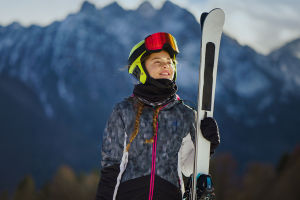
Before stepping onto the slope, we need to check all equipment carefully. A well-fitted helmet is essential for head protection and should always be worn. Additional protective gear for wrists, knees, and hips can also provide extra support during movement.
We should also inspect skis, poles, and binding systems to ensure they are secure and properly adjusted to match our height, weight, and skill level. Poorly adjusted equipment can affect balance and control.
Clothing also plays a key role. We should choose warm, waterproof, and breathable outfits. Goggles help protect our eyes from the bright glare of reflected sunlight on the snow, while sunscreen helps protect exposed skin from ultraviolet (UV) radiation, which can remain strong at high altitudes and in snowy environments. Wearing clothes that are too bulky or too long may affect movement, so a balanced fit works best.
Safe Behavior on the Slopes
Before skiing, we should warm up our bodies to activate muscles and improve flexibility. This helps reduce strain during movement.
We also need to choose slopes that match our skill level. Starting with easier routes allows us to build confidence gradually. Attempting overly difficult areas without preparation may lead to loss of control.
While skiing, we must follow all slope rules and respect instructions from staff. Moving in the correct direction and staying within marked paths helps ensure a smooth flow for everyone.
Some key habits help us stay safe:
- Skiers ahead have priority, so we should always give them space.
- Maintaining distance from others and slope edges helps prevent accidents.
- If we lose balance, trying to fall to the side while protecting the head and avoiding reaching out forcefully with the hands may help reduce the risk of injury.
These simple habits help us maintain stability and awareness throughout the activity.
How We Respond When Unexpected Situations Happen
If an unexpected situation occurs, staying calm is the most important step. We should immediately call for help and use signals such as waving equipment to attract attention. Contacting ski patrol or nearby staff helps ensure quick support.
While waiting for assistance, we can help in safe ways:
- Place equipment behind the affected area to warn others and help prevent further collisions.
- Avoid unnecessary movement of the injured person, especially if head, neck, or spinal injury is suspected.
- Check basic conditions such as awareness and breathing without causing discomfort.
For minor surface injuries, clean materials can be used for gentle care. However, significant injuries should be evaluated by trained medical personnel as soon as possible. If someone feels cold due to exposure, moving them to a sheltered place and wrapping them in dry layers can help maintain body warmth.
Common Cold-Weather Risks and Simple Care Steps
In low-temperature environments, skin sensitivity may increase. If areas feel overly cold, gradual warming in a sheltered space is recommended. Warm water or body heat can be used slowly to restore comfort. Direct high heat should be avoided to prevent additional discomfort or tissue damage.
If eyes feel strained due to strong reflection from snow, resting in a dim environment with a cool cloth over the eyes can help recovery. If discomfort continues, seeking professional advice is the safest choice.
Let’s Enjoy Winter With Awareness and Confidence
Lykkers, skiing is a joyful way to connect with winter landscapes, stay active, and enjoy refreshing outdoor time. At the same time, safety awareness helps us protect ourselves and those around us.
When we prepare properly, choose suitable locations, respect slope rules, and respond calmly to unexpected situations, we create a more enjoyable experience for everyone.
Let’s move into this winter season with care, awareness, and positive energy. What safety habits do you already follow when enjoying snowy activities?