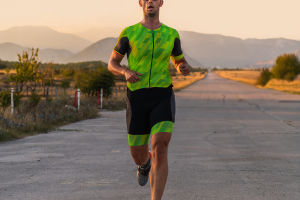
Lykkers, when we talk about high mountain hiking, we are stepping into environments that feel powerful, wide, and sometimes unpredictable.
The air becomes thinner, the paths more demanding, and the surroundings more remote. That is exactly why preparation matters so much.
Before we take our first step, we remind ourselves that safety is part of the journey. A well-planned trip helps us enjoy every view without unnecessary risk. High mountain routes reward patience, awareness, and steady decision-making.
Understanding the Terrain Before We Move Forward
In high mountain areas, the landscape often includes steep slopes, rocky sections, and shifting ground conditions. We should never assume that a trail will remain easy from start to finish.
We take time to study the route carefully. This includes elevation changes, estimated walking time, and key rest points. We also identify important checkpoints so we can track our progress clearly.
It is always better to stay on recognized paths. Unmarked areas may contain unstable surfaces or unclear directions. Even experienced hikers benefit from sticking to planned routes rather than exploring unknown sections.
If conditions feel uncertain at any moment, we choose caution and adjust our plan instead of moving forward blindly.
Preparing the Right Equipment for High Elevation
High mountain environments often bring rapid changes in temperature and wind intensity. Because of this, we rely on layered clothing that can be adjusted easily during movement.
- We start with breathable inner layers that help manage moisture during activity. Over that, we add insulating layers to retain warmth. A wind-resistant outer layer helps protect us when conditions become stronger at higher altitudes.
- Footwear is essential. Stable hiking shoes with firm grip help maintain balance on uneven ground. We avoid anything that limits movement or causes discomfort over long distances.
- We also carry a small backpack with essentials such as water, simple energy-rich snacks, and basic emergency supplies. These items help maintain energy and focus during longer routes.
Staying Aware and Moving Steadily on the Trail
When we are on high mountain paths, steady movement is more important than speed. We focus on each step carefully, especially on rocky or narrow sections.
We also try to hike with companions whenever possible. Moving as a group helps us stay aware of surroundings and supports better decision-making along the way. For younger hikers, supervision and guidance are especially important for safety.
Navigation tools such as maps or route notes help us stay oriented. Even familiar paths can feel different when visibility or terrain changes. Staying aware helps prevent unnecessary confusion.
If we ever feel uncertain about direction, we pause, stay calm, and reassess before continuing.
Recognizing Body Responses in Cold Conditions
At higher elevations, body temperature can drop faster than expected. Early signs include shivering, reduced coordination, slower thinking, or unusual fatigue. Hands and feet may feel colder, and movement can become less precise.
When we notice these signs, we stop and find a sheltered area to reduce exposure to wind. Dry clothing is important because moisture increases heat loss.
We warm the body gradually using available insulation such as jackets or blankets. Key areas like the neck, underarms, and feet benefit from gentle warming.
Once stable, we support energy recovery with simple, light food and warm fluids to help the body regain strength slowly.
If the condition becomes more serious, with confusion or reduced awareness, we focus on insulation and seek professional help immediately, avoiding sudden heating methods.
Practical Ways to Stay Protected in Mountain Conditions
We can reduce risk by building a few simple habits into every hike:
- First, we choose moisture-wicking inner layers instead of heavy cotton, which retains moisture and dries slowly.
- Second, we adjust clothing regularly during movement. Adding or removing layers helps maintain a balance between warmth and comfort.
- Third, we carry protective items such as hats, gloves, wind-resistant jackets, and warm socks. These small items make a significant difference at higher altitudes.
- Finally, we manage energy carefully. We avoid overexertion, take short breaks when needed, and stay hydrated throughout the journey. A steady pace helps us enjoy the climb while staying safe.
Lykkers, high mountain hiking is more than reaching a summit. It is about every step, every view, and every moment we experience along the way. When we prepare properly, stay aware of conditions, and support each other, the journey becomes safer and more rewarding.
With careful planning and mindful movement, we can enjoy the beauty of high mountains while staying confident, prepared, and secure.