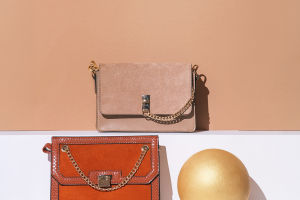
A handbag is more than a fashion accessory. The material determines how it looks, feels, wears over time, and fits into your daily life.
Because modern synthetic materials can closely resemble genuine leather, many shoppers find it difficult to tell the difference at first glance.
Understanding the strengths of each option can help you choose a bag that matches your style, budget, and long-term needs with confidence.
The Natural Appeal of Genuine Leather
Genuine leather is made from natural hide, which gives every bag a unique texture and grain pattern. Small variations in the surface are normal and are often considered part of its character and authenticity.
One of leather’s most valued qualities is the way it changes with use. It gradually becomes softer and develops a natural patina that adds depth and richness to its appearance. Rather than looking worn out, a well-made leather bag often looks more refined over time.
With proper care, genuine leather can remain stylish and functional for many years, making it a popular choice for those who value longevity and timeless design.
Why Faux Leather Is So Popular
Faux leather is a synthetic material designed to imitate the look of real leather. It is available in a wide range of finishes, from smooth and matte to textured and polished. Because it is manufactured, the surface is usually more consistent and uniform.
Its biggest advantage is practicality. Faux leather is often lighter in weight, easier to clean, and generally more affordable than genuine leather. For everyday fashion and frequent use, many people appreciate its convenience and low-maintenance nature.
How to Spot the Difference
Texture is often the easiest clue. Real leather usually feels soft, slightly uneven, and natural to the touch, while faux leather tends to feel smoother and more regular.
Examine the grain closely. Genuine leather often shows subtle irregularities, whereas faux leather may display a repeated or overly perfect pattern. The edges can also provide a hint: real leather may appear slightly fibrous, while some synthetic materials reveal a fabric-like backing.
Durability and Aging
Leather is known for aging gracefully. Minor creases and marks often become part of its character, and the material typically gains a richer appearance with time.
Faux leather performs well for regular daily use and is easier to maintain, but it does not develop the same natural patina. Its appearance usually remains more consistent throughout its lifespan.
Which One Should You Choose?
Choose genuine leather if you value:
- Timeless style
- Long-term durability
- A softer, more distinctive feel that improves with use
Choose faux leather if you prefer:
- A lower price point
- Lightweight comfort
- Easy cleaning and simple maintenance
Look Beyond the Material
The quality of a bag depends on more than whether it is leather or faux leather. Pay attention to the stitching, hardware, lining, structure, and finishing details. A well-crafted bag in either material will usually look more elegant and last longer than a poorly constructed one.
The Smartest Choice
Genuine leather and faux leather each offer real advantages. Leather provides natural beauty, softness, and long-lasting character, while faux leather offers affordability, convenience, and versatility for everyday wear.
The best bag is not simply the most expensive one. It is the one that fits your lifestyle, feels comfortable to carry, and gives you confidence every time you use it.