Hello, Lykkers! Many of us treat the weekend like a second job. We fill it with errands, plans, social events, and chores, then wonder why Monday feels like it arrived too soon.
Somewhere along the way, rest became something we have to earn rather than something we simply need. The art of doing nothing is not about laziness. It is about giving your mind and body the space to recover. A slow, cozy weekend can do more for you than a packed schedule ever will.
Why Rest Is Not a Reward
Rest is often treated as something we deserve only after everything else is finished. But the list is never finished. There is always another task, another email, another errand.
When rest depends on completing everything first, it never happens. Treating rest as a basic need changes the way you plan. Sleep, food, and movement are not rewards. They are requirements. Rest belongs in the same category. A slow weekend is not a treat you earn. It is part of staying well.
What Happens When You Slow Down
When you stop rushing, several things happen. Your breathing slows. Your muscles relax. Your thoughts become less scattered. These changes are small, but they add up.
A slower pace also gives your mind room to process. During busy weeks, thoughts and feelings get pushed aside. When you stop, they surface. This can feel uncomfortable at first, but it is part of how the mind resets.
Creativity often returns during quiet moments. Ideas that seemed stuck may loosen when you are not forcing them. A walk without a destination, a long bath, or simply sitting by a window can open up space for clearer thinking.
How to Practice Doing Nothing
Doing nothing sounds simple, but it can feel strange at first. Many people reach for their phone within seconds of sitting still. That is normal. The goal is not to be perfect. It is to practice.
Start with small amounts of time. Ten minutes without a screen, a task, or a plan. Sit somewhere comfortable. Look out a window. Let your thoughts wander. If you feel restless, that is fine. Restlessness passes.
Choose low-effort activities that still feel enjoyable. Reading, listening to music, making a warm drink, or lying under a blanket all count. The point is not to be productive. The point is to let your body and mind settle.
It also helps to lower expectations. A slow weekend does not need to be meaningful or transformative. It can simply be pleasant. That is enough.
Making Your Space Cozy
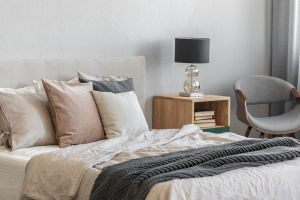
Your environment affects how easily you relax. A few small changes can make a space feel calmer. Soft lighting, a comfortable chair, a warm blanket, and a clear surface all help.
Clutter is a common source of low-level stress. You do not need to deep clean. Just clearing one surface, such as a coffee table or bedside table, can make a room feel lighter.
Temperature matters too. Feeling slightly warm helps the body relax. A hot drink, warm socks, or an extra layer can make a slow afternoon feel much more comfortable.
Protecting Your Slow Weekend
A slow weekend does not protect itself. Other people will fill it if you let them. Decide in advance what you are saying no to. You do not need to explain or justify it. A simple "I am keeping this weekend free" is enough.
It also helps to set boundaries with your phone. Notifications pull you back into work mode. Turning them off for a few hours, or leaving the phone in another room, makes a real difference.
Finally, do not schedule your rest too tightly. If you plan every hour of your cozy weekend, it becomes another task list. Leave room for nothing in particular.
Final Thoughts
The art of doing nothing is not about escaping responsibility. It is about giving yourself permission to stop. A slow, cozy weekend helps your body recover, your mind settle, and your week start on steadier ground. You do not need a cabin in the woods or a long holiday. A quiet afternoon, a comfortable chair, and a willingness to do less are enough. Try it once, and you may find that doing nothing is exactly what you needed.