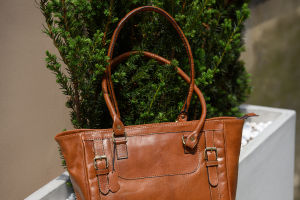
A handbag is more than a fashion accessory; it is an item that often becomes part of your daily routine.
A durable bag should not only look stylish but also maintain its structure, comfort, and appearance through regular use.
Choosing the right bag requires attention to the small details that reveal its quality and craftsmanship. By understanding what to look for, you can make a more confident choice and select a piece that remains practical and elegant for years.
Examine the Stitching
Stitching is one of the most important signs of a well-constructed bag. Look for seams that are neat, even, and securely finished without loose threads. Areas that experience frequent movement, such as corners and handle attachments, should have strong reinforcement. Carefully placed stitching and additional support in these areas can help improve the bag’s durability and ability to handle everyday use.
Check the Hardware Quality
The hardware plays an important role in both function and appearance. Zippers should move smoothly, closures should fasten securely, and metal details should feel stable and well finished. Test these parts gently to ensure they operate comfortably without resistance. Strong, carefully designed hardware can contribute to a bag’s reliability while maintaining a refined look.
Evaluate the Material
The material greatly influences how a bag performs over time. Quality leather typically feels flexible and develops character with use, while durable fabric materials often have a firm texture and strong weave. Well-made synthetic materials should feel sturdy and consistent rather than thin or fragile. Choosing materials with good structure and reliable construction can help a bag maintain its appearance and function longer.
Inspect the Interior Construction
A bag’s interior quality is just as important as its exterior design. The lining should be neatly attached, smooth, and made from a material that can handle regular use. Interior pockets should be securely placed, and seams should appear clean and carefully finished. A reinforced base can provide additional support and help the bag maintain its shape over time.
Examine the Handles and Straps
Handles and straps receive frequent pressure, making them key areas to inspect. They should feel secure, with strong stitching and proper reinforcement where they connect to the bag. Adjustable straps should have reliable attachment points and comfortable construction. Well-designed handles and straps improve both durability and everyday usability.
Pay Attention to Overall Construction
A durable bag usually feels balanced, structured, and carefully made. It should provide support without feeling unnecessarily heavy. Check the edges, shape, and finishing details to ensure they are smooth and consistent. Small elements, such as clean edges and precise construction, often reflect the overall quality of the piece.
Selecting a durable bag is about recognizing quality rather than simply following trends. Strong stitching, reliable hardware, carefully chosen materials, and thoughtful construction all contribute to a handbag’s long-term performance. By taking time to examine these details before purchasing, you can choose a bag that combines style, functionality, and lasting value for many years.